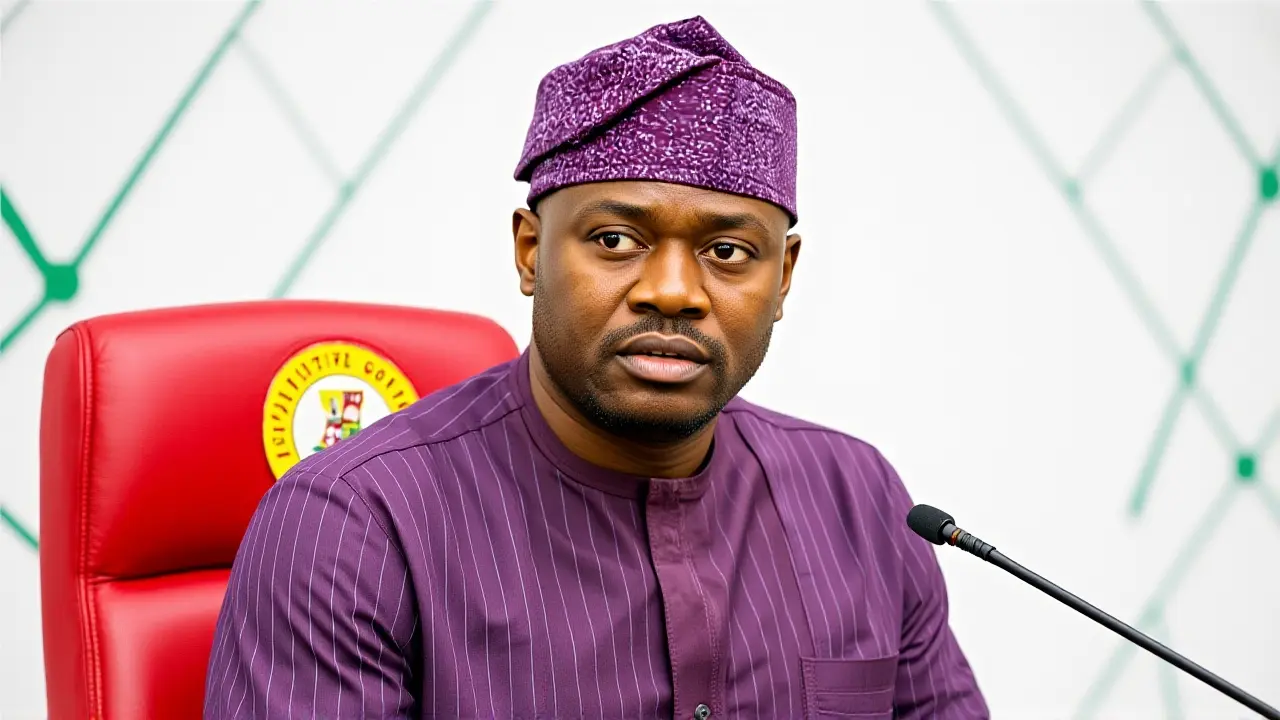
The political landscape in Nigeria just shifted on its axis. Seyi Makinde, Governor of Oyo State, officially declared his candidacy for the presidency on Thursday, May 14, 2026. He didn't whisper it; he announced it to a roaring crowd at Mapo Hall in Ibadan, marking the formal launch of his bid and a new political alliance.
This isn't just another campaign speech. It’s a calculated move into the 2027 general election cycle, positioning Makinde as an early contender in what promises to be a fiercely contested race. The timing is deliberate, the location strategic, and the implications for national opposition dynamics are immediate.
A Strategic Alliance Unveiled
The event, branded as the "Unity Mega Rally Ibadan 2026," served a dual purpose. Beyond announcing his own ambitions, Makinde used the platform to unveil a formal coalition between the Peoples Democratic Party (PDP) and the Allied Peoples Movement (APM). This partnership is crucial. In Nigerian politics, alliances often determine viability more than individual popularity alone.
By linking the PDP—a party with deep historical roots but recent electoral struggles—with the APM, Makinde is attempting to consolidate opposition support under one banner. The rally also featured the presentation of other aspirants seeking state and national elective positions on the APM ticket, signaling a coordinated effort rather than a solo run.
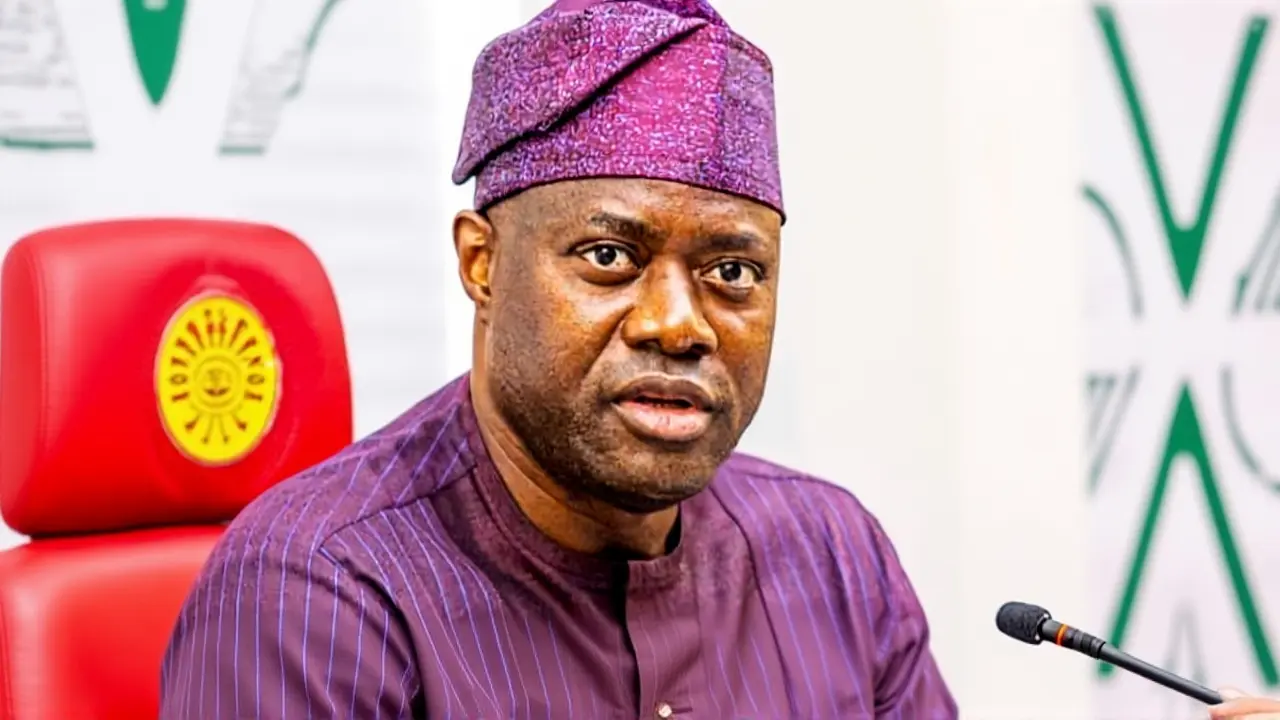
"This is a decision driven by the need to serve Nigeria and ensure continued development," Makinde told the gathered supporters. His tone was measured but firm, emphasizing governance and national progress over partisan rhetoric. It’s a message designed to appeal beyond party loyalists, targeting undecided voters weary of political instability.
Pressure and Precedent
Makinde’s entry wasn’t entirely unexpected. For months, political associates and grassroots support groups had been pushing him to declare. The silence ended not with a whimper, but with a bang in Ibadan South-East Local Government Area. Analysts suggest that the mounting pressure played a significant role in his timing.
Historically, early declarations carry both advantages and risks. They allow candidates to build momentum and secure endorsements early, but they also make them targets for opponents who have more time to strategize against them. Makinde’s move places him among the first formal contenders for 2027, setting the stage for a long campaign season.
The choice of Ibadan is symbolic. As the cultural heartland of the Yoruba people and a key political stronghold, winning here sends a powerful message about regional support. Mapo Hall, a venue known for hosting major political gatherings, provided the perfect backdrop for this high-stakes announcement.
Opposition Dynamics and Future Implications
Political observers are already assessing the ripple effects of Makinde’s declaration. His candidacy could reshape the architecture of the opposition bloc ahead of 2027. With multiple factions currently vying for influence, Makinde’s early entry forces other potential candidates to either align with him or differentiate themselves sharply.
Major news outlets including Nigeria Info FM, Eagle FM, The Sun, Daily Trust, and The Guardian covered the event extensively, highlighting its national significance. The coverage suggests that Makinde is being taken seriously as a viable contender, not just a regional figure.
However, challenges remain. The PDP-APM alliance must prove it can deliver votes across diverse regions, not just in the Southwest. Additionally, Makinde will need to address concerns about his past political affiliations and policy records to win over skeptical voters in other parts of the country.
What’s next? Expect intensified lobbying, counter-alliances, and increased media scrutiny. The window for early maneuvering is open, and Makinde has made his move. Whether this translates into sustained momentum depends on how effectively his team capitalizes on this initial surge.
Background: The Road to 2027
The 2027 presidential election is shaping up to be one of the most complex in Nigeria’s democratic history. With economic pressures, security challenges, and shifting voter demographics, the stakes are higher than ever. Makinde’s declaration adds another layer to an already crowded field.
Previous elections have shown that early frontrunners don’t always finish strong. But they do set the narrative. By declaring now, Makinde aims to control the conversation around leadership, development, and unity—themes that resonate deeply with Nigerians tired of division.
Frequently Asked Questions
Why did Seyi Makinde choose May 14, 2026, to announce his presidential bid?
The date coincides with the launch of the PDP-APM alliance in Oyo State, allowing Makinde to combine his personal announcement with a broader organizational strategy. Declaring early gives him a head start in securing endorsements and building visibility before other major candidates emerge.
What is the significance of the PDP-APM alliance?
The alliance merges the historical base of the PDP with the newer structure of the APM, aiming to create a unified opposition front. This consolidation is critical for challenging dominant parties and presenting a cohesive alternative to voters in the 2027 election.
How might Makinde’s candidacy affect other opposition figures?
His early entry forces other potential candidates to either join his coalition or position themselves distinctly. This could lead to fragmentation within the opposition or prompt quicker negotiations to form larger blocs, accelerating the pre-election political process.
What challenges does Makinde face despite his early declaration?
He must expand his appeal beyond the Southwest, address past political controversies, and demonstrate a clear vision for national issues like security and economy. Additionally, maintaining momentum over a long campaign period without early polling data remains a significant hurdle.
Anant Kamat
May 16, 2026 AT 19:47just watching from the sidelines, seems like another cycle of promises and rallies.
Abhijit Pawar
May 18, 2026 AT 12:19Look at this mess. The PDP is a zombie party trying to reanimate itself by clinging to APM. It’s pathetic. Makinde thinks he can just walk in and fix everything? No chance. The opposition is fractured beyond repair and everyone knows it. He needs to stop pretending his alliance means anything real.
srinivasan sridharan
May 19, 2026 AT 10:33One must appreciate the sheer theatricality of declaring candidacy a year in advance. It is almost charmingly naive. I suppose he believes that time alone will cure Nigeria's ailments. How delightful.
Indrani Dhar
May 19, 2026 AT 19:50oh honey please. you really think this is about unity? its a power grab disguised as a handshake. the elites are playing chess while the rest of us starve. they want you to believe in the 'alliance' so they can split the spoils later. typical corruption playbook but with better branding. i bet there are secret deals happening right now that would make your head spin. nobody is serving anyone here except themselves.
Pooja Kiran
May 20, 2026 AT 12:50The strategic consolidation of the PDP-APM bloc represents a classic example of coalition-building dynamics in multi-party systems. However, the structural weaknesses inherent in such ad-hoc alliances often lead to internal fragmentation. From a political science perspective, the viability of this ticket depends heavily on resource mobilization rather than ideological coherence. It is merely a transactional merger.
Gaurav sharma
May 20, 2026 AT 15:16You people are blind to the reality. Makinde is smart. He knows exactly what he is doing. While you sit there analyzing every word, he is securing the base. The Yoruba heartland is not going to betray him easily. This is a calculated strike against the APC hegemony. Wake up and smell the coffee.
Megha Khairnar
May 20, 2026 AT 16:58I hope for peace. Politics should be about dialogue, not division. If this alliance brings stability, then perhaps we have something to celebrate. Let us wait and see how it unfolds without jumping to conclusions.
Twinkle Vijaywargiya
May 21, 2026 AT 21:52It is fascinating to observe the regional dynamics at play here! The Southwest has always been a political powerhouse; thus, any movement from Ibadan sends ripples across the nation. We should encourage open discourse and understand the perspectives of all parties involved. Collaboration is key!
Swetha Sivakumar
May 23, 2026 AT 14:10chill guys. let them talk. i am just reading this because i have nothing better to do today. honestly does it matter who wins as long as the roads get fixed?
diksha gupta
May 24, 2026 AT 15:03There is always room for new voices. Maybe this is the fresh start Nigeria needs. I remain hopeful that positive change can emerge from these discussions. Let us support constructive engagement.
Sai Krishna Manduva
May 25, 2026 AT 23:53Actually, early declarations are usually a sign of desperation or overconfidence. History shows that frontrunners often fade away when the heat turns up. I suspect Makinde is testing the waters before committing fully. It is a psychological game.
Siddharth SRS
May 26, 2026 AT 02:07It is imperative that we consider the broader implications of this announcement within the context of democratic consolidation. The premature entry into the electoral arena may precipitate unforeseen challenges regarding voter fatigue and policy clarity. One must ponder whether the current economic climate allows for such prolonged political campaigns without exacerbating social tensions. The trajectory remains uncertain.
Anoop Sherlekar
May 27, 2026 AT 17:03Let's gooo!! 🔥🔥 Time for action! Who is ready to vote? Bring the energy! 💪
Navya Anish
May 28, 2026 AT 06:19This is an insult to our intelligence. Another politician promising the moon while delivering nothing. I refuse to believe any of this hype. They are all liars and thieves. Get out of my country.
Subramanian Raman
May 30, 2026 AT 02:02I wonder if the youth will actually engage with this process. 🤔 What do you think? Is there enough education on the issues? 😊
Shreyanshu Singh
May 31, 2026 AT 08:06man this is drama city. makinde thinks he is the king already. lol. watch him crash and burn in six months. typical politician behavior no substance just noise.
Sohni Bhatt
June 2, 2026 AT 04:05The audacity of these regional lords to dictate national policy is exhausting. They operate in silos, ignoring the federal structure entirely. It is a display of arrogance that borders on treasonous inefficiency. We need leaders who understand governance, not just rally speeches. This is a step backward for our civilization.
lavanya tolati
June 3, 2026 AT 05:59i see the cultural significance of ibadan being chosen. it respects the roots. maybe there is hope after all.
Raja Meena
June 4, 2026 AT 23:44It is morally questionable to announce a presidential bid without a clear policy framework first. Voters deserve transparency, not just slogans. This approach lacks integrity.