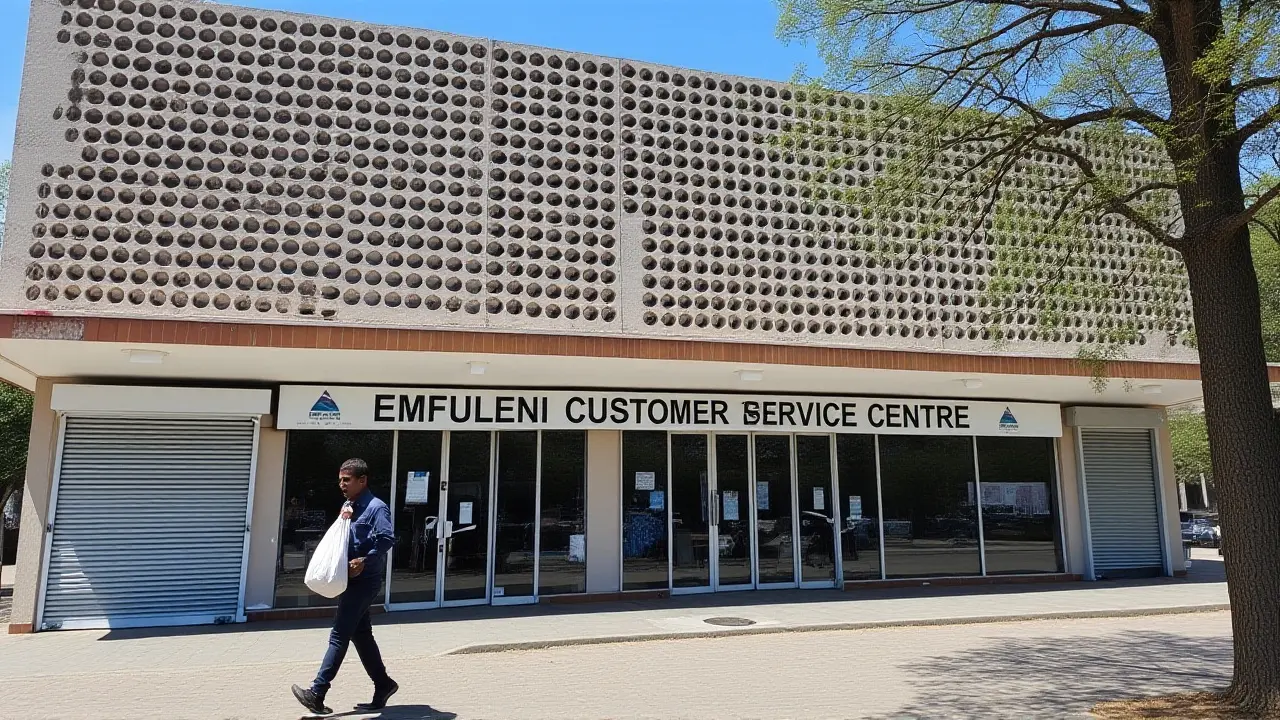
It’s a grim reminder of the water crisis that has plagued parts of Gauteng for years. Emfuleni Local Municipality is back in the dock, facing serious criminal charges for allegedly turning the Vaal River—the province’s lifeline—into an open sewer. The case resumed at the Vereeniging Magistrate’s Court, where municipal manager April Ntuli appeared on behalf of the council to answer five counts of environmental negligence.
Here’s the thing: this isn’t just about broken pipes or occasional leaks. The National Prosecuting Authority (NPA) has compiled a charge sheet alleging systematic dumping of raw sewage between April 2018 and April 2024. That’s six years of alleged contamination affecting millions who rely on this river for drinking water, agriculture, and industry.
The Charges: A Timeline of Negligence
The details are staggering. According to the NPA’s formal indictment, the municipality failed to maintain basic sanitation infrastructure across multiple critical sites. The first count alleges that six specific pump stations—numbered 16, 10, 8, 6, 5, and 38—unlawfully dumped sewage directly into the Vaal River over that six-year period.
But it gets worse. Between September 2018 and August 2019, the Rietvlei Water Treatment Plant allegedly discharged wastewater well above permitted limits. During that same window, the Sebokeng Waste Water Treatment Plant failed to comply with its water use license conditions. Then there’s the Leeuwkuil Waste Water Treatment Works, which is accused of both license violations and unlawful discharges.
The fifth charge ties it all together, citing severe pollution resulting from negligence at the Leeuwkuil and Rietspruit plants, along with four other pump stations, spanning from April 2018 through 2024. It’s not just one failure; it’s a pattern of systemic collapse in waste management.
"Raw Sewage Has Flown for Years"
For residents in the Vaal Triangle, these court documents likely read like a confirmation of what they’ve seen daily. Gerda Senekal, Councillor for the Freedom Front Plus, didn’t mince words during the proceedings. "For years, raw sewage has flowed through streets in the Vaal triangle into homes and directly into the river system," she told reporters outside the court.
Senekal added that the NPA is now "ready to prosecute the municipality." Her comments highlight the political tension surrounding the case. While the municipality argues budget constraints and technical challenges, opposition parties argue that negligence is the real culprit. The smell alone in neighborhoods like Sebokeng and Vanderbijlpark has been a constant complaint for residents.
Legal Maneuvers and Future Dates
The legal process itself has been slow, mirroring the sluggish pace of infrastructure repairs. The case was first heard in March, when April Ntuli appeared before the magistrate. At that time, the matter was postponed to allow the NPA to add further charges under the Criminal Procedure Act.
Turns out, the prosecution wants to leave no stone unturned. The latest postponement sets the next hearing for May 4, 2026. Yes, 2026. That gives the municipality nearly two more years to prepare its defense—or perhaps, to finally fix the leaking pumps. The long timeline raises questions about whether justice will be served while the pollution continues.

Why This Matters Beyond the Courtroom
The Vaal River isn’t just a local resource; it’s central to South Africa’s water security. With droughts becoming more frequent, contaminating such a vital source threatens the entire region. If Emfuleni is found guilty, it could set a precedent for holding municipalities criminally liable for environmental disasters.
Experts warn that without immediate intervention, the ecological damage could become irreversible. Algal blooms, fish kills, and health risks for downstream communities are already documented issues. The court case is symbolic, but the reality on the ground remains urgent.
Frequently Asked Questions
What are the specific charges against Emfuleni Municipality?
The municipality faces five main charges including violations of the National Environmental Management Act and the National Water Act. These include unlawful sewage dumping from six pump stations between 2018 and 2024, excessive wastewater discharge from the Rietvlei plant, and license non-compliance at the Sebokeng and Leeuwkuil treatment works.
Who represents the municipality in court?
April Ntuli, the Municipal Manager of Emfuleni Local Municipality, appears in court on behalf of the council. He is responsible for overseeing the administration and operational compliance of the municipality’s services, including water and sanitation.
When is the next court date?
The case has been postponed until May 4, 2026. This delay allows the National Prosecuting Authority to potentially add further charges under the Criminal Procedure Act before the trial proceeds.
How does this affect residents of the Vaal Triangle?
Residents face ongoing health risks due to raw sewage flowing into streets and homes. The contamination of the Vaal River also threatens the safety of drinking water supplies and local ecosystems, leading to increased medical costs and environmental degradation for the community.
Is the Vaal River considered a critical water source?
Yes, the Vaal River is described as Gauteng’s most important water source. It provides water for domestic use, agriculture, and industrial processes across the province, making its protection essential for regional economic stability and public health.