Lynas Rare Earths: Mining, Supply Chains, and Global Competition
When you think of smartphones, electric cars, or fighter jets, you probably don’t think of Lynas Rare Earths, a rare earth elements mining and processing company based in Australia with major operations in Malaysia. Also known as Lynas Corporation, it’s the only large-scale rare earth producer outside China that can supply the materials needed for modern technology. These elements — neodymium, praseodymium, dysprosium — are tiny but vital. They’re in the magnets of your earbuds, the motors of your Tesla, and the guidance systems of military drones. Without them, the clean energy transition and national defense programs stall.
China controls over 80% of global rare earth processing. That’s not because they have all the mines — it’s because they built the refineries, the supply chains, and the political will to dominate. Lynas Rare Earths broke that monopoly by building a processing plant in Kuantan, Malaysia, back in 2013. But it wasn’t easy. Local protests, regulatory delays, and accusations of radioactive waste forced the company to adapt. Today, it’s a key supplier to the U.S. Department of Defense, Japan’s automakers, and European tech firms trying to cut ties with Chinese sources. The U.S. government even invested millions to help Lynas build a new processing facility in Texas, aiming to reduce reliance on a single country for critical minerals.
What makes Lynas different isn’t just its location — it’s its business model. Unlike China’s state-backed giants, Lynas operates as a private company under strict environmental rules. It doesn’t own the biggest mines, but it owns the only viable processing line outside Asia. That’s why countries like Australia, Japan, and the U.S. treat it like a strategic asset. The plant in Malaysia handles over 90% of the world’s non-Chinese rare earth output. And with new demand from AI hardware, wind turbines, and electric vehicle batteries growing every year, the pressure to scale up is real.
You won’t find Lynas Rare Earths in headlines every day, but when you do, it’s usually because something big is shifting — a new export ban, a U.S. policy change, or a protest in Malaysia threatening its license. It’s not a flashy tech startup. It’s a gritty, chemical-heavy operation buried in industrial zones, yet it holds up parts of the global economy. The next time your phone charges wirelessly or your car accelerates silently, remember: there’s a small team in Malaysia making sure the magnets inside still work — and they’re one of the few things standing between you and a world run entirely by Chinese supply chains.
Below, you’ll find the latest news on Lynas Rare Earths — from regulatory battles in Malaysia to its role in U.S. defense contracts, and how it’s shaping the future of clean tech without China’s shadow.
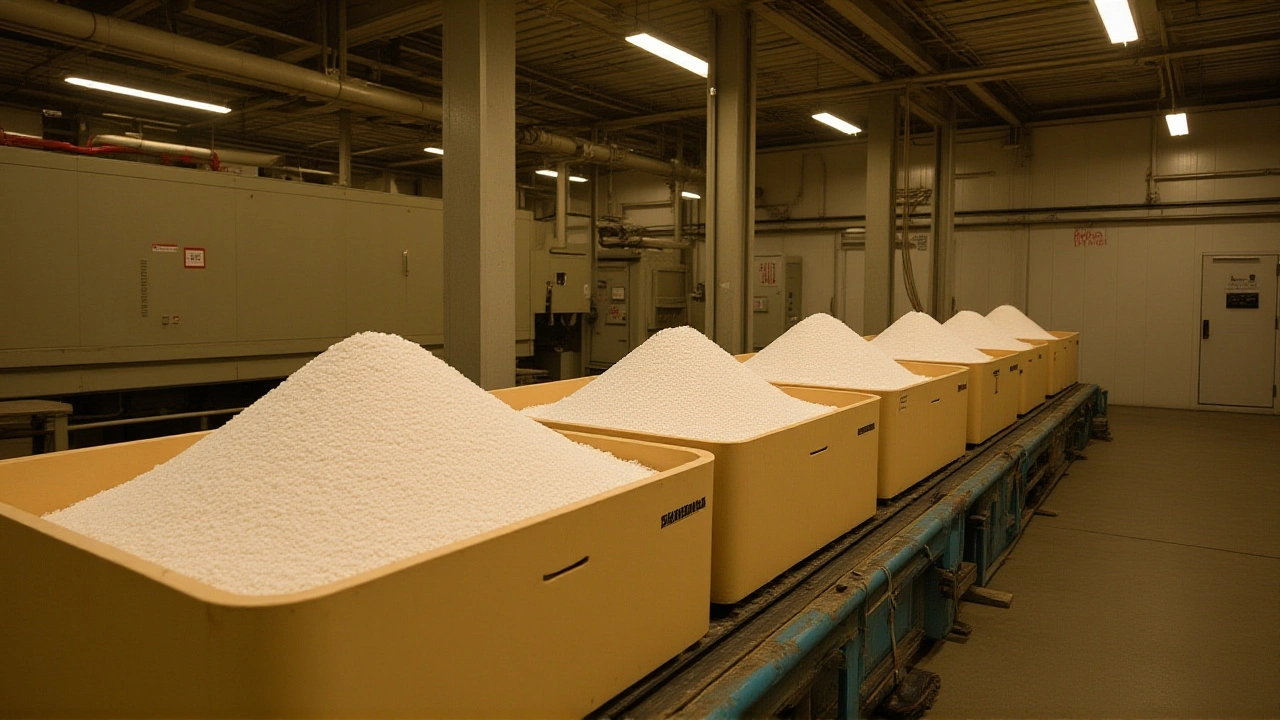
Lynas Shares Surge as China’s Rare Earth Export Ban Shakes Global Auto and Defense Supply Chains
China’s 2025 rare earth export bans triggered Ford’s factory shutdown and sent Lynas Rare Earths shares soaring, exposing global dependence on Beijing’s control of 85% of refining capacity and reshaping defense and auto supply chains.
View more